Communication, Marketing, and Brand Team
Attention is vitality. It connects you with others. It makes you eager. Stay eager.
Susan Sontag
Welcome to the April edition of our newsletter!
Each month we meet here to share the themes that have crossed our creative journey and are echoing out into the world. In this edition, you'll find stories on the economy of cheap content and the rising value of taste, what seven minutes of experimental film can do that an entire afternoon of scrolling cannot, Heidegger's old warning about efficiency and why it matters now, the cultural illiteracy taking root in design schools, and how The New York Times Magazine is rethinking what print is for.
In the section Tátil around the World, we feature the Diet Coke x The Devil Wears Prada 2 case, Ju Barreto's column riding along with the case, and Fred Gelli's new article reflecting on our desire to access other forms of intelligence, such as that of whales and fungi.
Our goal is to stay true to our core principle of working WITH, not FOR. Feel free to share your suggestions, comment on our content, or interact with us by replying to this email.
Enjoy your reading!
Communication, Marketing, and Brand Team — Tátil
Top 5 Tátil Curations
Slop is the symptom. Taste is the asset.
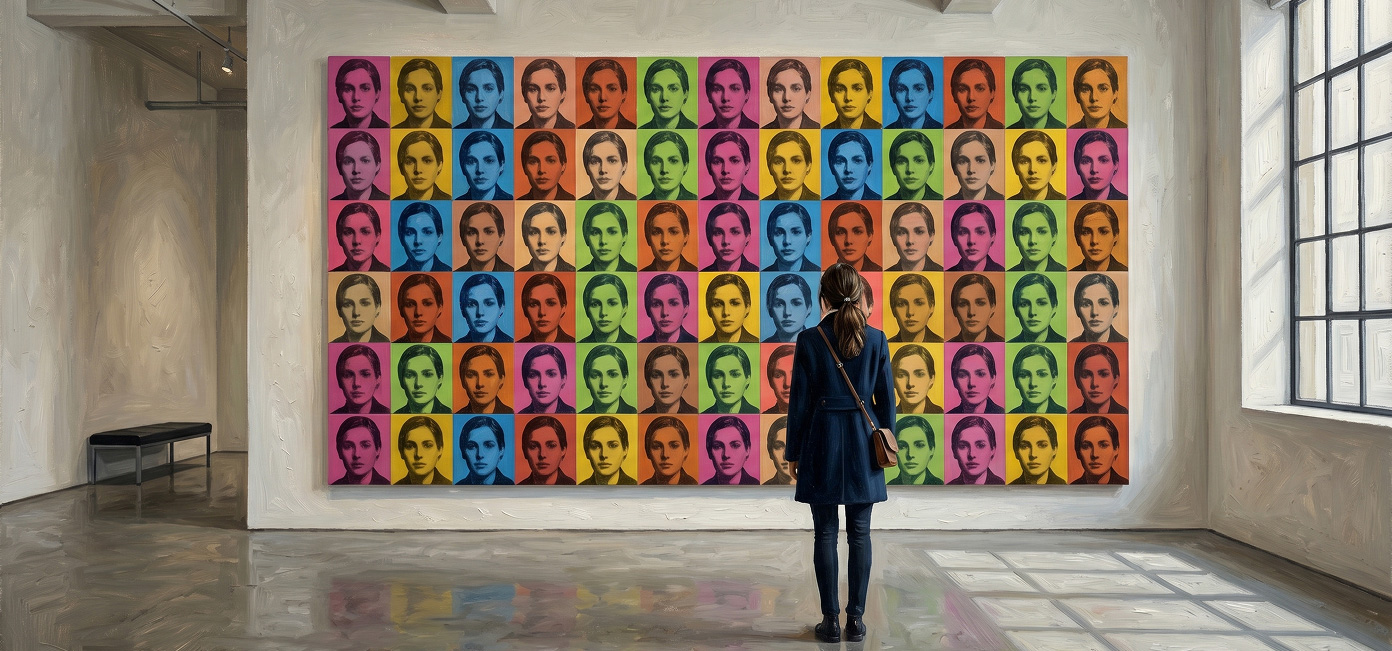
The internet's most-discussed pollutant of 2025 turned out to be more boring, and more profitable, than the panic suggested. AI-generated articles now make up over half of long-form English content online, and "slop" was named Word of the Year by both Merriam-Webster and the American Dialect Society. The real story is not aesthetic but economic: cheap content has become infrastructure, paid for by ad networks that keep funding it. What is becoming scarce, and therefore valuable, is taste. The brands that will stand out are the ones that treat editorial judgement as an asset rather than a cost.
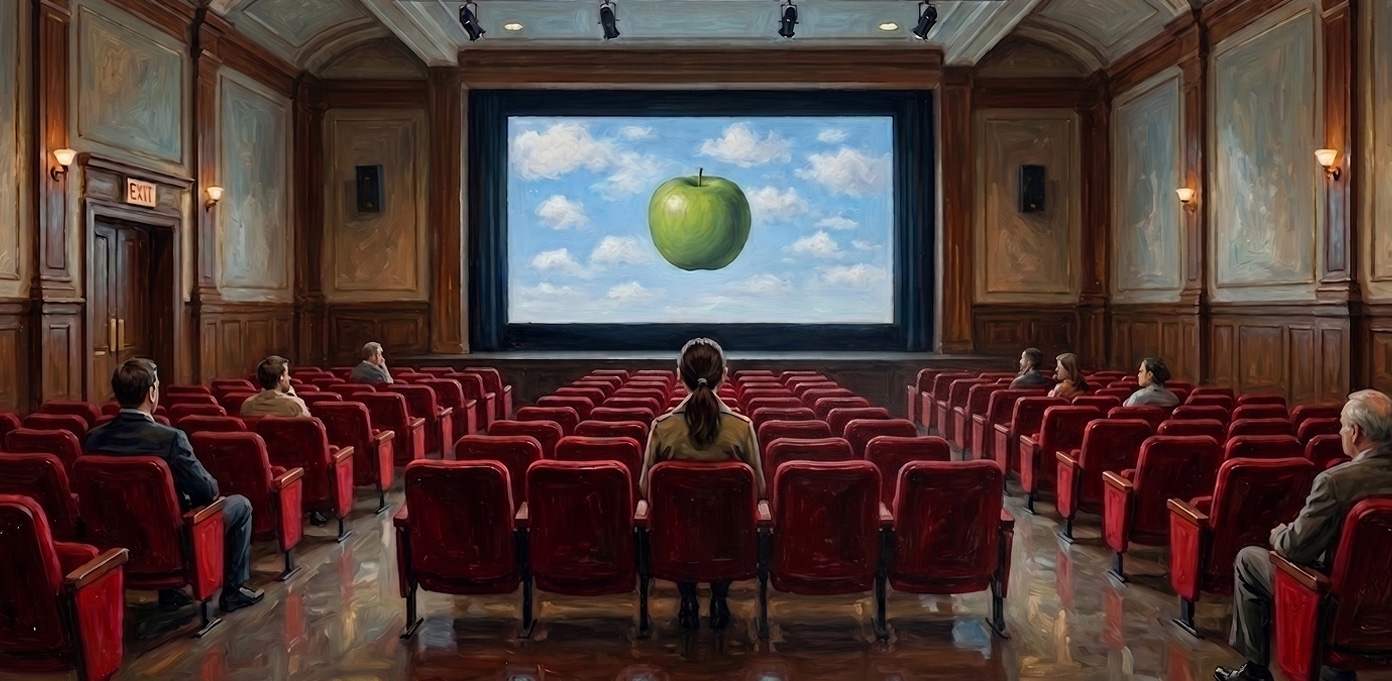
Seven minutes against the algorithm
A new study from UCSB, soon to be published in Psychology of Aesthetics, Creativity, and the Arts, split nearly 500 participants between viral YouTube clips and challenging animated shorts. Even seven minutes of ambiguous, slow-paced film raised measurable scores in creativity and openness, while the viral feed barely moved the needle. People preferred the easy content, and got less from it. In an environment shaped by algorithmic ease, friction is what builds the kind of attention that lasts.

Artists as the counterweight to efficiency
In an excerpt from Tao Ruspoli's documentary Being in the World, Heidegger's old warning returns with new weight. When efficiency becomes the lens through which we see everything, an undeveloped beach turns into a building site, a conversation turns into data, a brand turns into a metric. Heidegger pointed to artists as a counterforce, those who deepen the world rather than flatten it. The point is not to optimise meaning, but to make space for it.
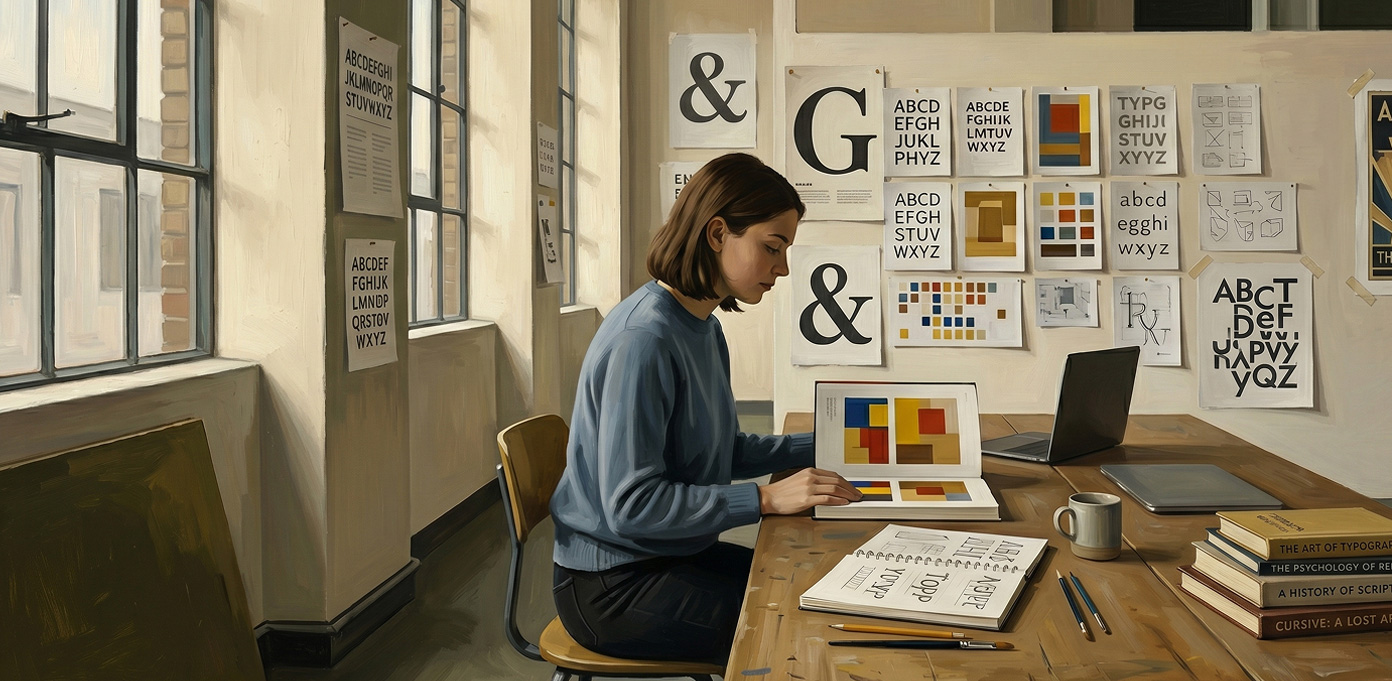
Fluent in software, mute on culture
Kathy Pham argues that design education has drifted into trade school territory: students trained for the job market, with art history and the liberal arts cut to make room. The result is a profession fluent in software and increasingly mute on culture. Quoting Michael Beirut from 1989, she points out that clients are not other designers, and the audiences for design work live in a wider world that designers are no longer taught to read. It is a quiet but sharp diagnosis of why so much current work feels technically clean and culturally thin.

Format as consequence, not constraint
Creative director Gail Bichler walks through The New York Times Magazine's first major redesign in nearly a decade. Custom typefaces by Henrik Kubel, a tighter relationship with the broader Times identity, and a new back-of-book section, the Culture Digest, built only for the print reader. The most interesting move is conceptual: the team began by asking what makes something feel like magazine journalism when the same story now travels across print, web, audio and video. Their answer puts tone, voice and editorial process at the centre, with format as a consequence rather than a constraint.
Tátil around the world
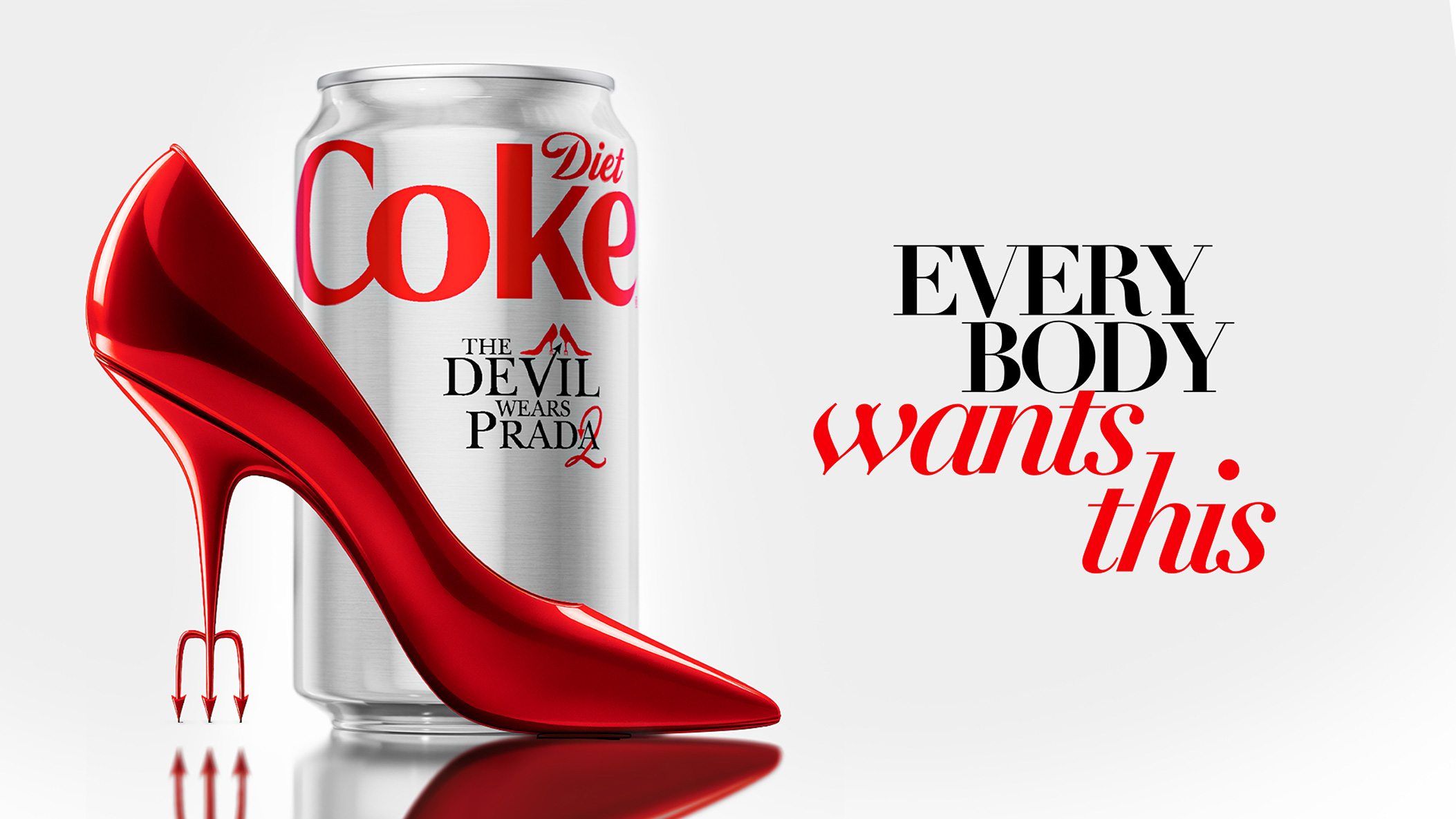
Diet Coke x O Diabo Veste Prada 2
When two icons meet, you don't add: you distill. For Diet Coke x The Devil Wears Prada 2, we dove deep into the film and fashion universe, looking for the simplest, boldest expression that could connect both brands. Taking advantage of a shared and instantly recognizable palette — red on white, cut with black — we chose to reduce the idea to its most iconic expression: the red stiletto. Sharp. Unmistakable. A symbol that carries the entire film in a single gesture, now dressing a Diet Coke can. An equally sharp voice accompanies it. Made for the Andreas and Emilys but inspired by Miranda Prisestly, the language is precise, ironic, and unapologetically direct. Big Boss Out. Diet Coke On.
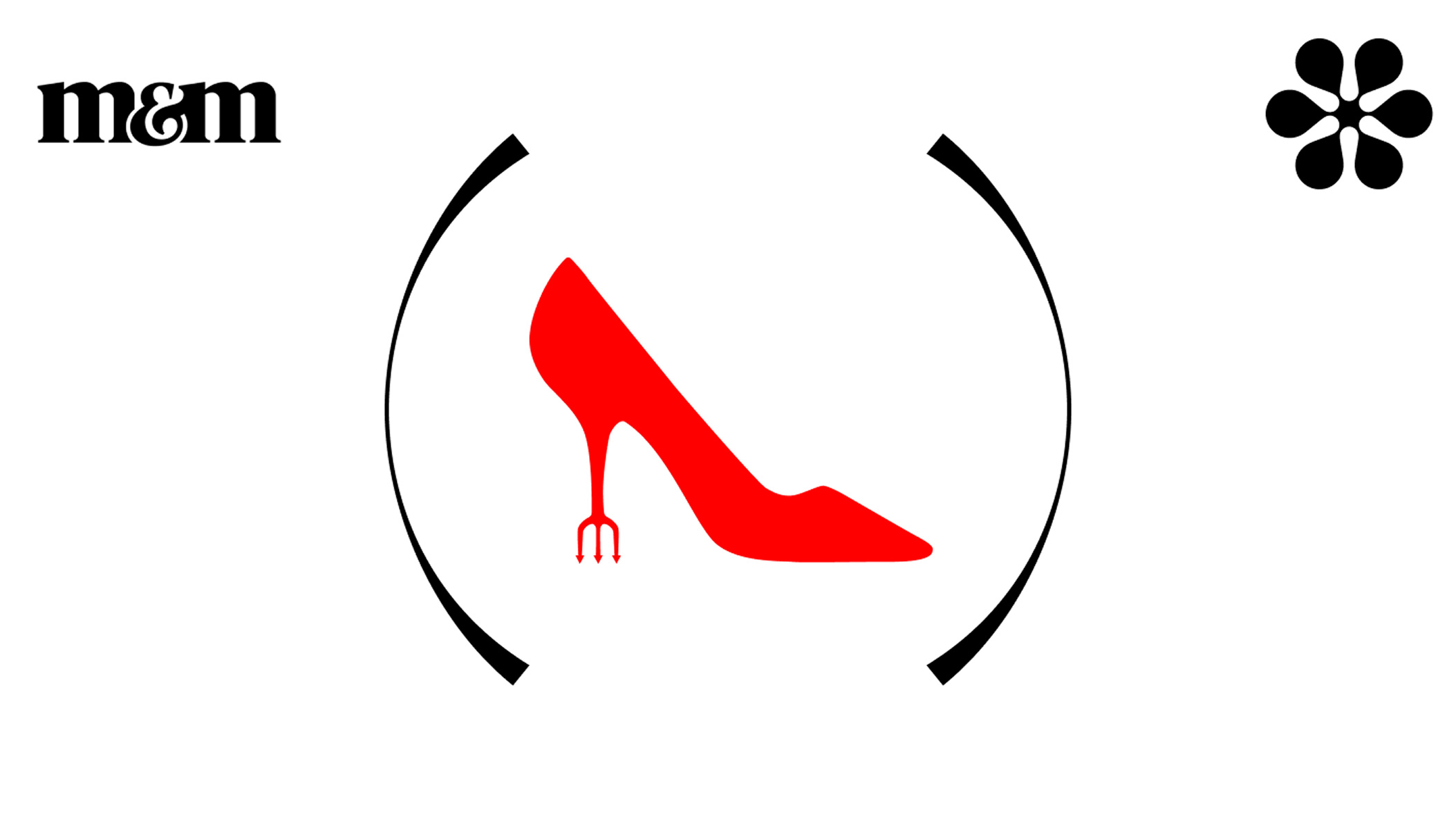
[Article] Juliana Barreto
"To stay consistent, you need to know very clearly who you are." Juliana Barreto, Tátil's Revenue Director, draws on our recent Diet Coke x The Devil Wears Prada 2 project to reflect on what allows a brand to remain relevant twenty years on, without losing what made it iconic in the first place. For her, iconicity is not an inheritance, but a continuous choice.

[Áudio-artigo] Fred Gelli
The year is 2038. Fred Gelli's new article for Fast Company Brasil opens with a provocation: AGI (Artificial General Intelligence) has been a reality for some years now. And what it revealed was not a new intelligence, but the one that has been here for billions of years. Whales, fungi and dogs become the mirror of a question that goes beyond biology: what changes when we stop observing nature and start learning from it?