Communication, Marketing, and Brand Team
Design is the silent ambassador of your brand.
Paul Rand
Hello, and welcome to the August edition of our newsletter!
Each month we meet here to share the themes that have crossed our creative journey and are echoing out into the world. In this edition, you’ll dive into discussions on the Labubu craze, Industry 5.0, the comeback of mascots, the 21st century through pop culture, and ethics in Design.
In the section Tátil around the World, we revisit AI Brand Compliance, our tool recognized at the Lovable Shipped 2025 competition, and present three projects: Kimberly-Clark, Tim, and Copersucar.
Our goal is to stay true to our core principle of working WITH, not FOR. Feel free to share your suggestions, comment on our content, or interact with us by replying to this email.
Enjoy your reading!
Communication, Marketing, and Brand Team — Tátil
Top 5 Tátil Curations
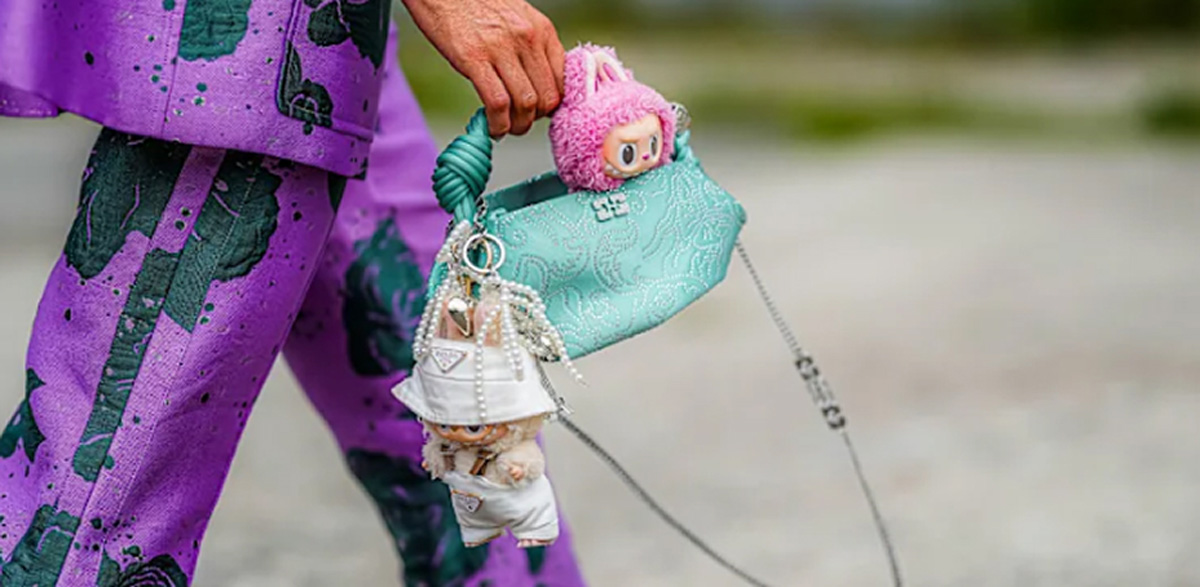
Labubu and the economy of belonging
The global craze around the vinyl rabbit Labubu shows how brands are no longer built only on products, but on rituals of desire and shared meaning. With Pop Mart turning collectibles into a multi-billion-dollar ecosystem, the case demonstrates a new playbook for brand strategy: scarcity as value, design as identity, and community as engine. Labubu isn’t just a toy — it’s a cultural password. And that points to a future where brand strength depends less on logos and more on the ability to create living, participatory worlds.
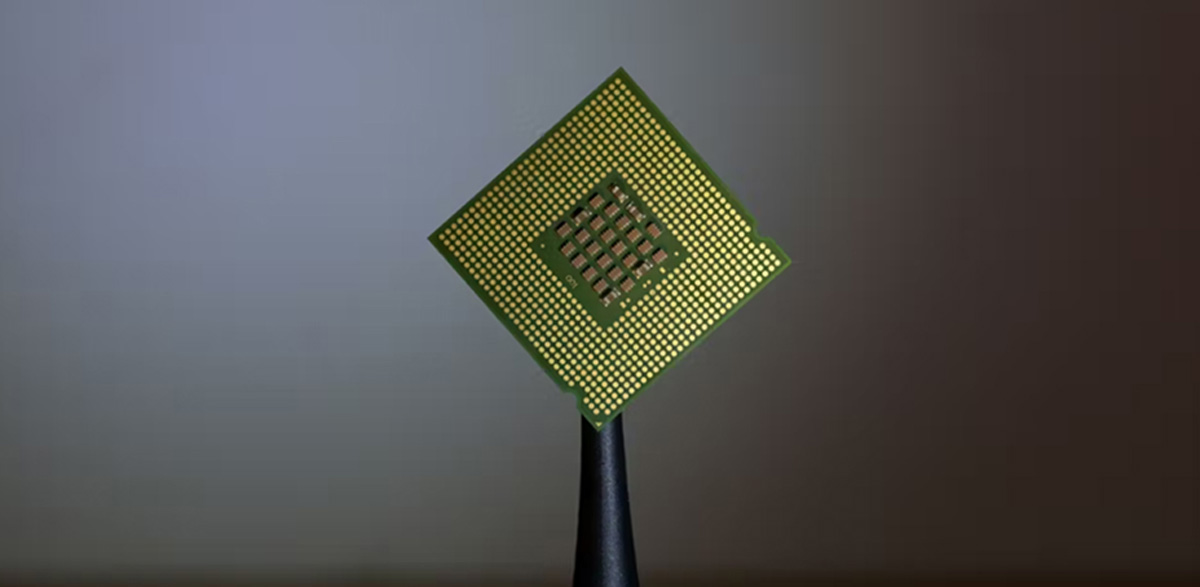
Beyond automation: the human face of Industry 5.0
Industry 5.0 is not just about machines working faster; it’s about redefining how technologyand humanity collaborate. As marketers embrace AI and automation, the next horizon is a more ethical, responsible, and human-centric way of building brands. Efficiency remains important, but the differentiator will be empathy, cultural awareness, and the ability to use tech as a tool for connection rather than noise. For branding, Industry 5.0 is a call to create systems that are both scalable and profoundly human.
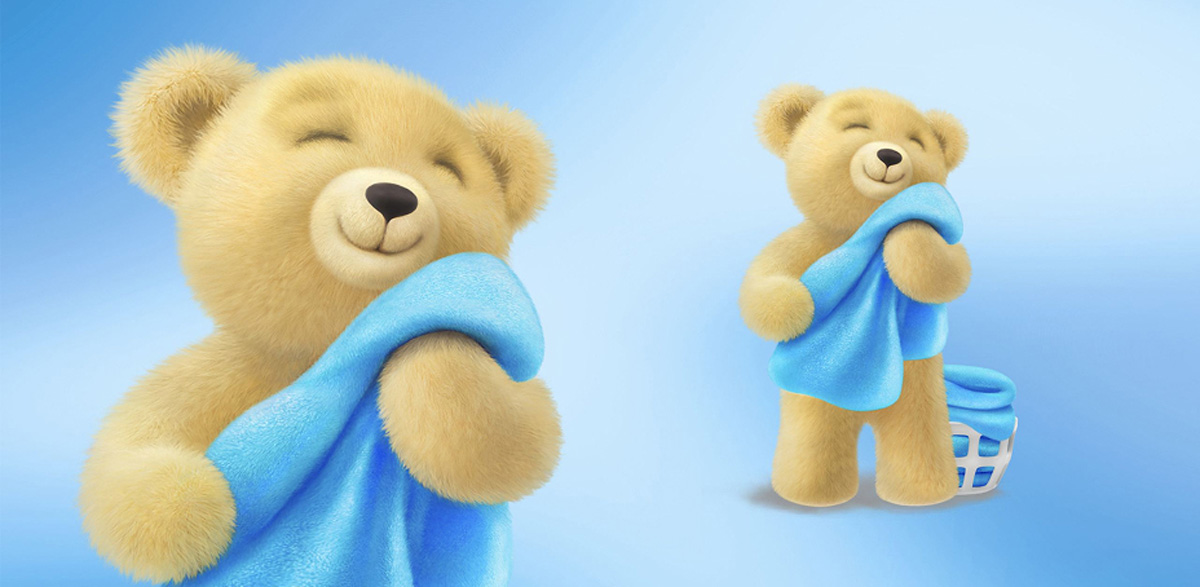
Mascots 2.0: nostalgia meets meme culture
Mascots are making a comeback, not as retro gimmicks, but as strategic tools for the digital age. In a landscape dominated by algorithms and endless feeds, characters provide a human anchor: they are instantly recognizable, emotionally resonant, and adaptable across contexts. As Creative Boom notes, mascots thrive because they blend nostalgia with cultural agility, making brands more relatable and shareable.
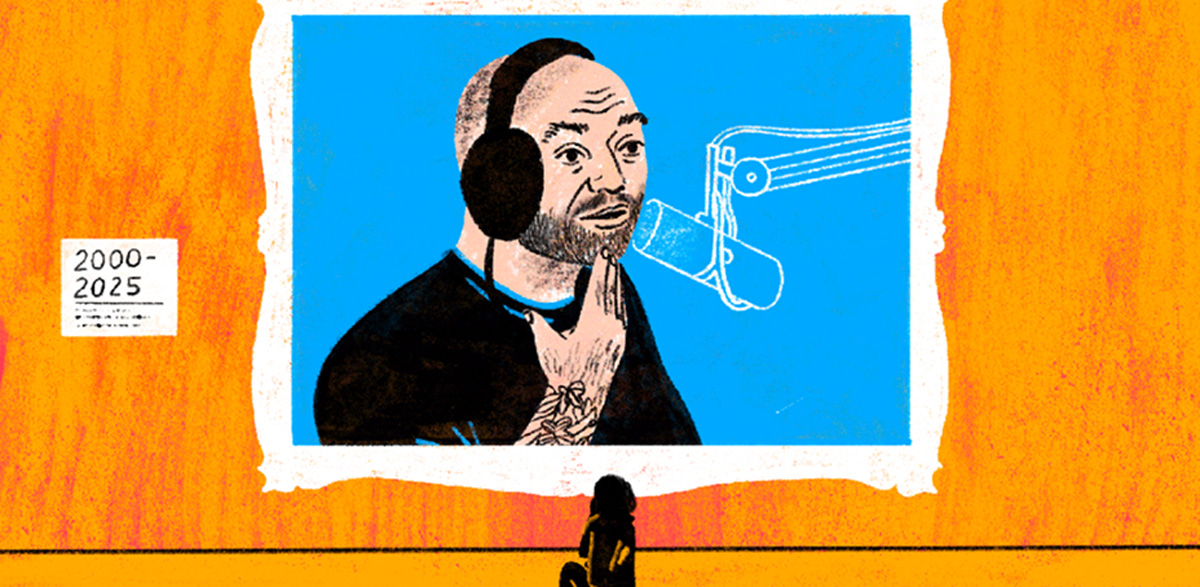
25 years, told through pop culture
From the rise of social media to the dominance of superheroes, from viral memes to the spread of K-pop, pop culture has been the lens through which we’ve understood the first quarter of the 21st century. As Vox argues, culture is not a byproduct but a map — one that reveals how technology, identity, and politics have intertwined in ways both playful and profound. For brand strategy, this retrospective underscores a truth we already live with: cultural fluency is no longer optional, it’s survival.
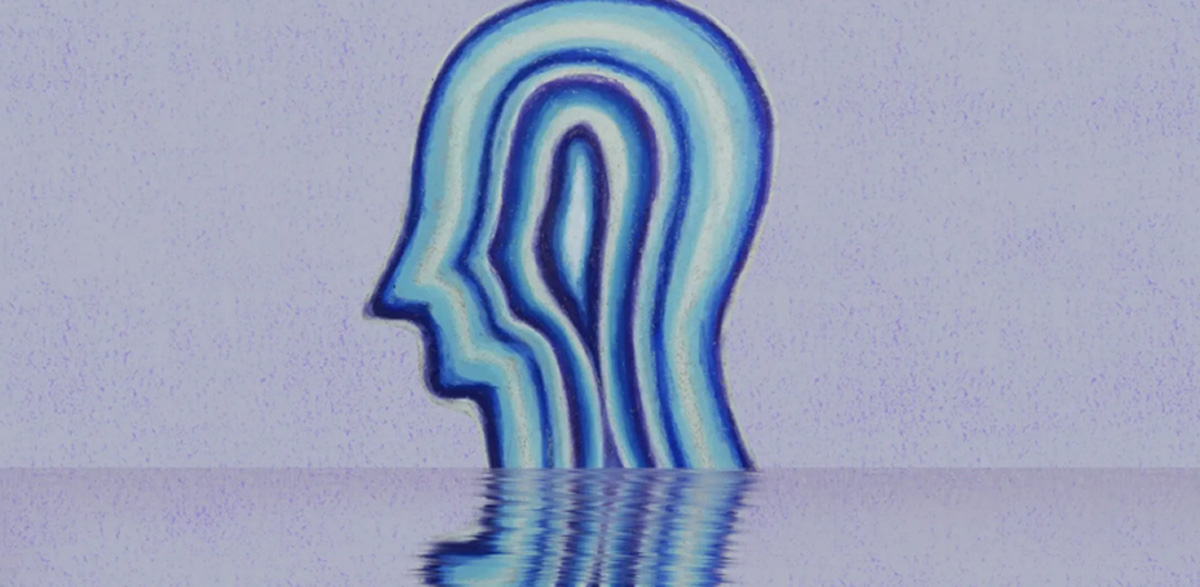
Design is deciding: ethics as the raw material of the future
For Nien Siao, Dean of the JS Institute of Design, the future of Design depends on forming ethical thinkers, not just problem-solvers of visual challenges. In a context of AI, mass consumption, and environmental urgencies, every design choice carries cultural and social weight. The article argues that design schools must teach ethics with the same centrality as typography or color, preparing professionals capable of shaping more responsible futures.
Tátil around the world
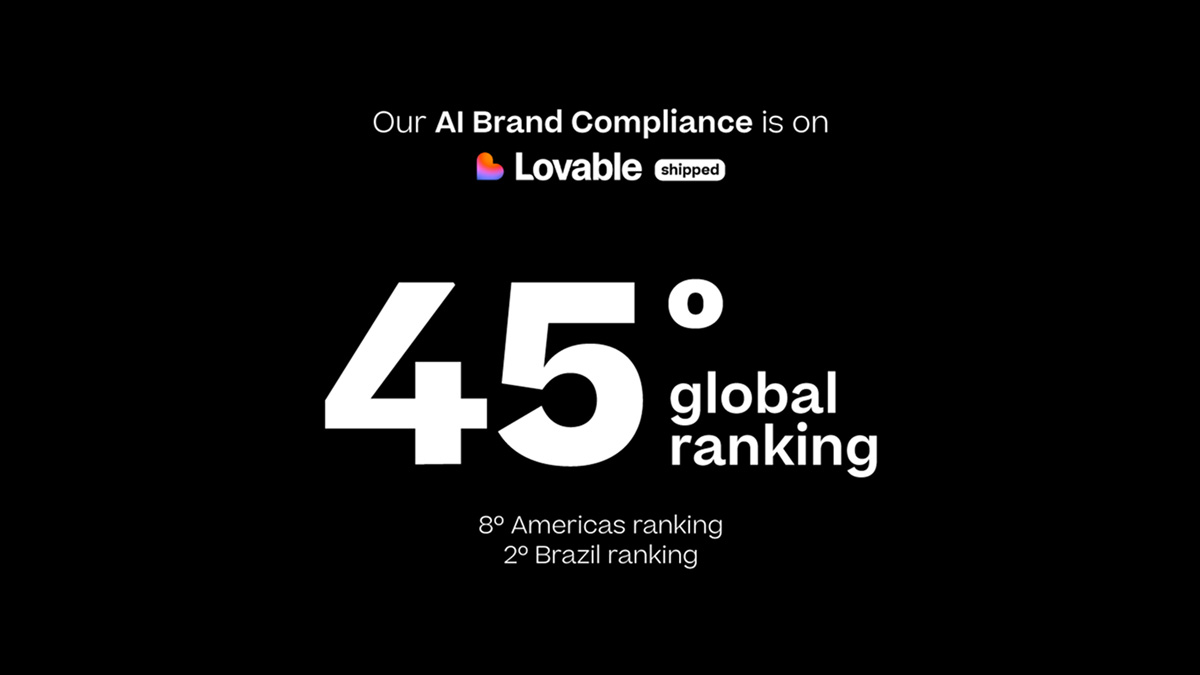
AI Brand Compliance
Our AI Brand Compliance tool was recognized at Lovable Shipped 2025, ranking 45th worldwide, 8th in the Americas, and 2nd in Brazil among more than 3,000 projects. Created in collaboration with XPN, it brings Tátil’s DNA into the universe of Digital Products, transforming brand guidelines into active workflows that audit and suggest improvements in texts and images in real time. More than a technology, it’s a new way of thinking about compliance: living, integrated, and scalable, ensuring verbal and visual coherence in highly complex contexts.
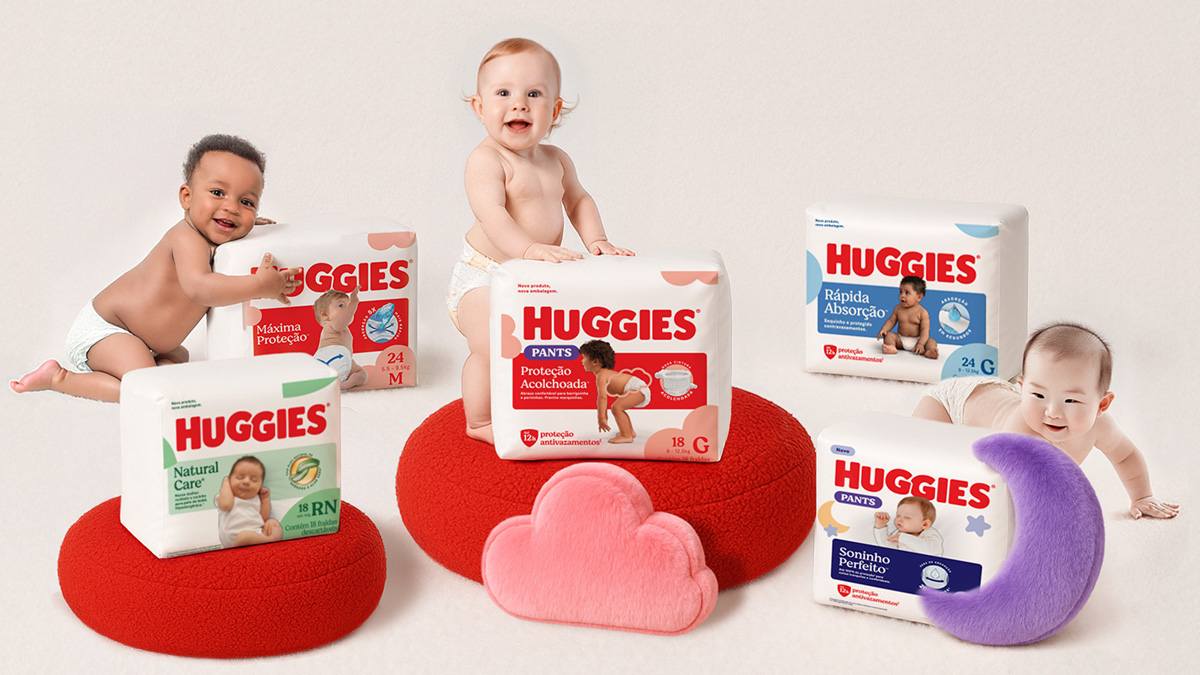
Kimberly-Clark
In partnership with MESA and Landor, we accelerated the packaging development for Intimus and Huggies through an agile Sprint process that combined strategy, design, and intense collaboration. The result: a new benefit-oriented visual system for Intimus and the co-creation of Huggies’ redesign in record time — both unfolded across all SKUs and at the POS. Benefit-based palettes, precise icons, and clear navigation translate tactile and functional codes that elevate the category and express Kimberly-Clark’s global ambition.
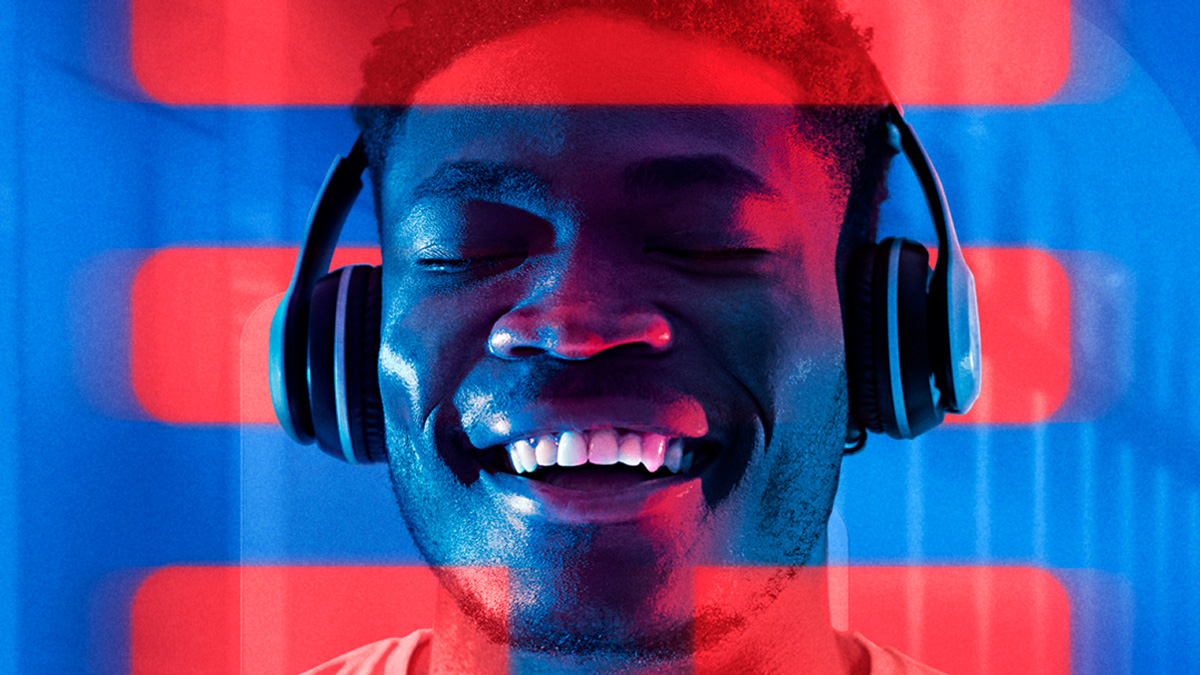
Tim Flagship
This year, Tim opened its first Concept Store in Brazil (São Paulo), and once again we were by their side to imagine the possibilities. Our mission? To create a unique identity for the store’s communication, highlighting its innovative character and bringing the brand’s music pillar to the forefront. The result was a bold, human, and sensorial language that blends music, technology, and emotion — presenting the store as a stage to connect with the new. An invitation to explore, experiment, and feel. At full volume.
Copersucar
From the land, a brand. With over 60 years of history, Copersucar renews itself as a living ecosystem one that produces, connects and regenerates. We led the strategic repositioning of the brand, aligning identity, language and culture around what truly defines it: the power of cooperation. The result is a system that reflects a unique business model — local in knowledge, global in impact — and communicates with precision, clarity and presence.