Generative AI and the outsourcing of imagination
Imagining.
Imagining has always been one of Sapiens’ greatest differentials from any other living being on this planet. To see something that doesn’t exist yet. Connecting what hasn’t been connected. To invent. You could say that we are the most creative animal conceived by evolution.
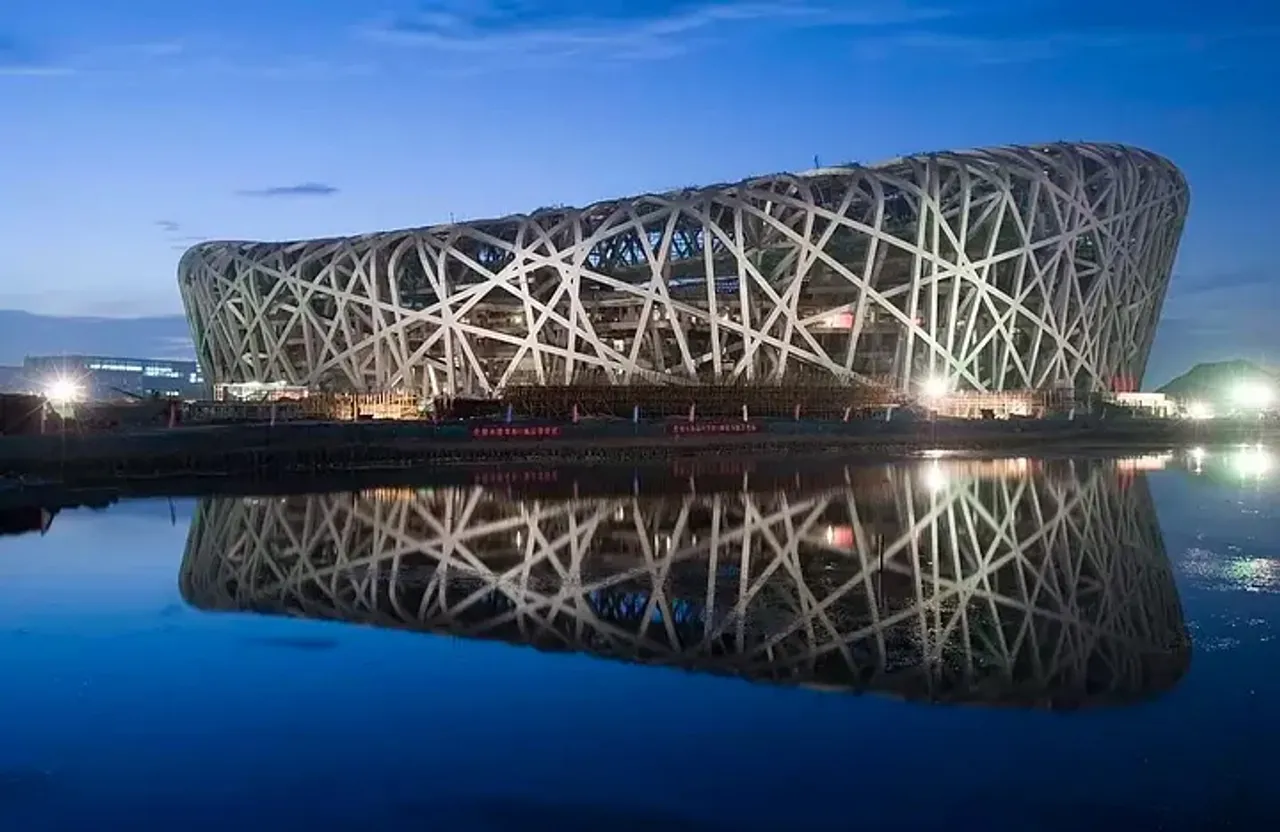
Our programming is open. Unlike other beings, which are ingenious in their relationships with their environments, which build intricate nests, which use surprising hunting and mating techniques, but which always operate on top of an almost immutable script.
The shark has been doing exactly the same things for at least 150 million years. So have conifers. We invent the new. And now we’re inventing something to invent for ourselves.
Recently, faced with the challenge of a new project, with everything a good brief could have, such as conceptual depth, creative freedom and the challenge of reducing environmental impact, I found myself starting the creative process using one of these incredible “inventing machines”.
It was KREA, a generative AI that, based on a scribble — in my case, made on the laptop trackpad — offers dozens of very interesting interpretations of what it understands you’re supposed to have imagined behind those half-assed lines. And, I swear, you can’t help but be surprised by the results, especially the speed of response.
Unlike Midjourney or even DALL-E, where you have to write down the prompts with some precision, in KREA, from a child’s scribble, super-finished renderings of what she imagines you have imagined instantly appear.
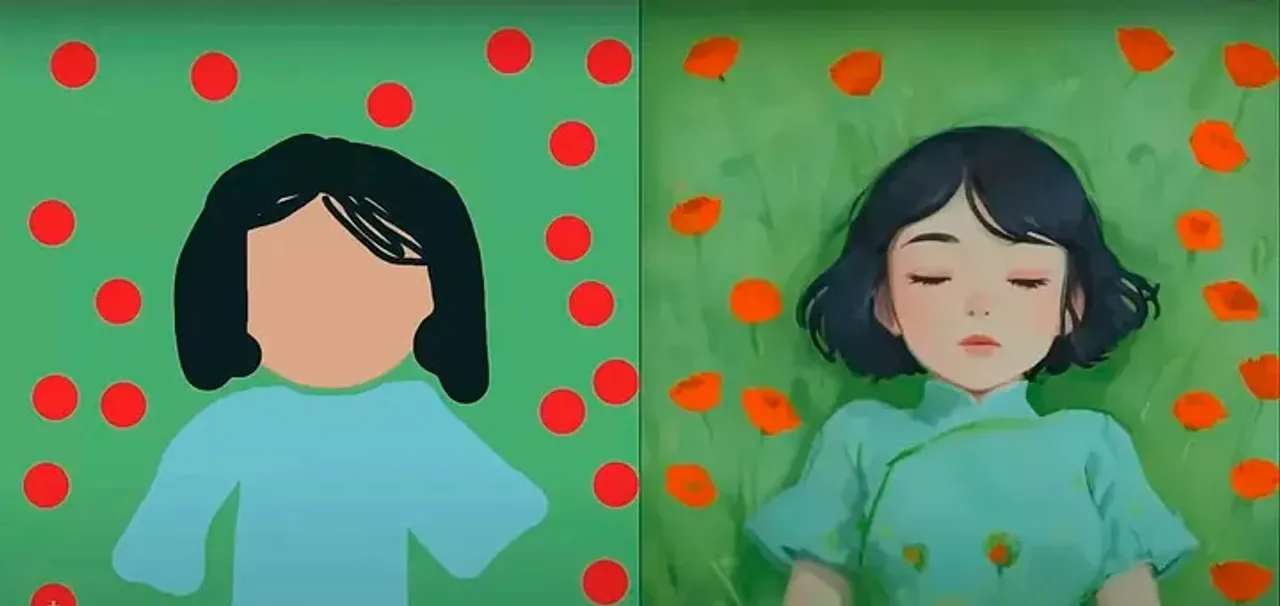
And that’s when it starts to get tough. Another outsourcing. This time, of our ability to imagine. The very thing that sets us apart.
At one point, after more than 50 experiments, saving dozens of different forms, I realized that it was addictive! I felt like one of those guys in front of a slot machine, always believing that the next play will be the best. Just one more! Now go!
A little uncomfortable with my feeling, I left the home office and, on my way to the kitchen, I passed a vase with a large flowering bromeliad. I touched it and at that moment I realized that I was going against everything I had always believed about creative processes.
My brief called for inspiration in a flower and, up until that moment — two days into the job — I hadn’t had one of those flowers in my hands. I hadn’t done my traditional conceptual dive to map out the meanings that product should activate in people.
I was standing there like a zombie hypnotized by a tool that offered me a shortcut, an instant pleasure in lots of very reasonable solutions. A kind of creative premature ejaculation in which foreplay is totally unnecessary. It’s all about getting straight to the point.
And I’m an old monkey when it comes to creative processes. Design thinking, design feeling, biomimicry, co-creation, none of that had been on the tape until then. I was KREA. She was imagining for me.
Recovering my still active capacity to imagine, I began to think about what the creative processes would be like for the class that was born being able to use these tools. Those who, unlike us, will have fewer opportunities to become “literate” in structured creative processes.
Why waste energy on this outdated idea of having to imagine? The risk of our brain interpreting it this way is enormous. It is always looking for a chance to save energy on what is no longer essential.
I’ve always been against what I used to call “bound inspiration”, which comes from trying to find ideas in design books — and now on Pinterest — that are close to what we need. Ideas that other people have had for different challenges. A full plate for frankensteined creations that mix a little of many ideas. A likely path to lackluster originality.
The ideas that make a difference in the world, in general, are those that emerge from a rich and diverse exploratory journey. Always with the participation of the people who will enjoy the proposal. With them and not for them. Ideas emerge after many mistakes and successes, at the crossroads between conceptual grounding, structured methodologies and a lot of intuition.
Now we’re being tempted by instant inspirations, almost like creative noodles. A multiple choice of options generated by electronic brains that offer to save your biological brain in exchange for your registration so that you can then, perhaps, upgrade to the paid version. A bargain at $20 a month, by the way.
So what can this change about our organic capacity to invent, to imagine and to solve problems? Are we somehow in danger of making our reality less interesting without ideas?
It’s clear that generative AIs are incredible tools that are revolutionizing our reality, perhaps more than any other invention so far. Knowing how to use them correctly to increase productivity and expand the exploration of possibilities is a priority for us at Tátil, and I’m sure for most creative spaces around the world. But imagining the next generation completely dependent on them to create gave me the creeps.
Another risk I imagined was a certain impact on the creative’s ego. How long would it take to design and render ideas like those generated instantly by AIs? Or write the basis of a movie script, or produce complex photos with extravagant settings and characters?
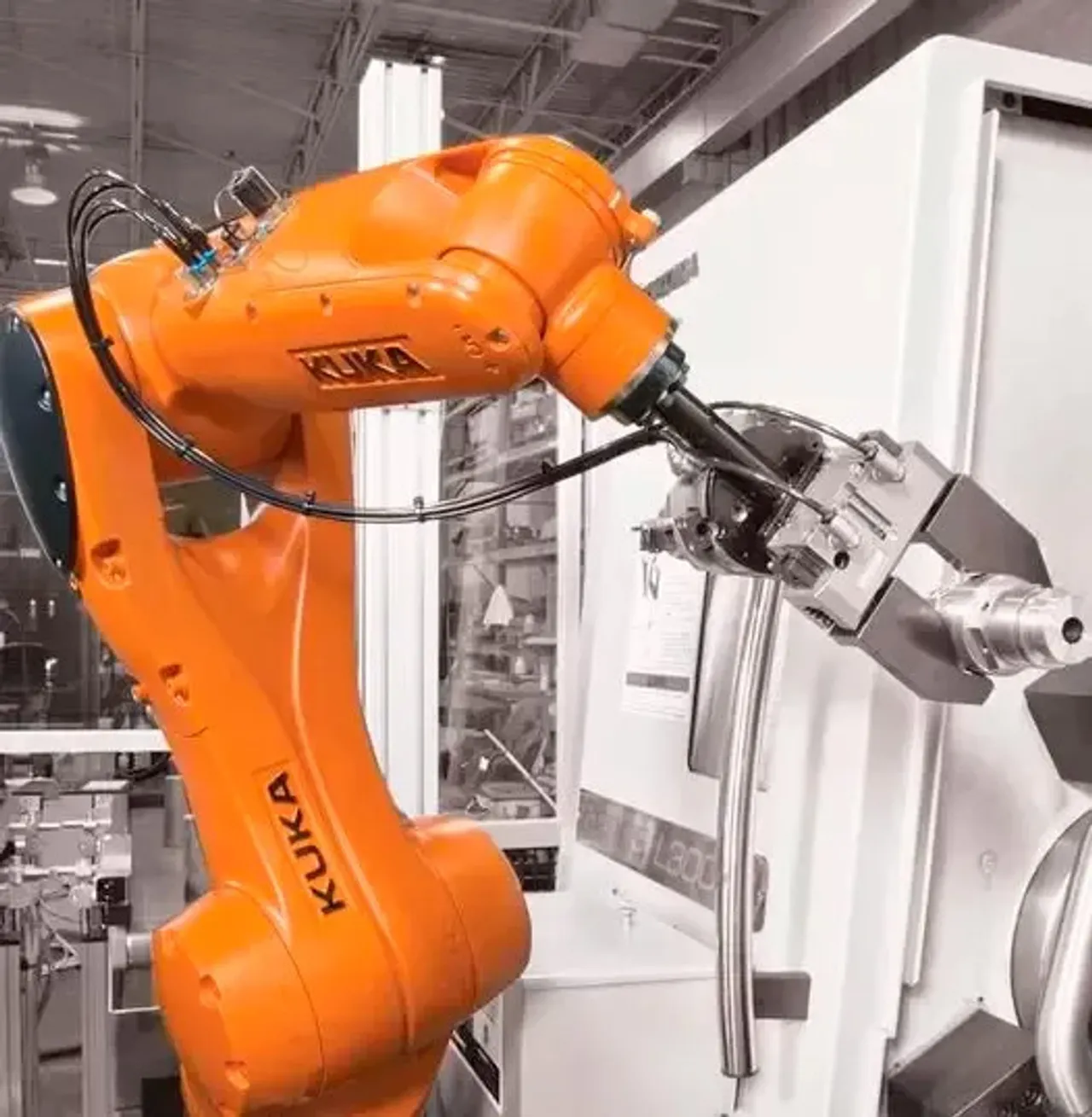
I was imagining a screwdriver at the beginning of the industrial age in front of a Kuka — the trademark of industrial robots — or even a copyist monk during the Middle Ages in front of the Gutenberg press.
It’s worth remembering that although the sensations of threat and frustration may be similar, there is a huge difference. New technologies have always disrupted previous ones. In the creative field, computers revolutionized everything that existed.
But now what’s at stake is exactly the essence of what makes us human, our intelligence and ability to invent. It is because of them that we have prospered. What could happen if these skills are outsourced?
A feeling of powerlessness in the face of the lack of generative tools could, perhaps, be a side effect. Our talents, which have taken us millennia to develop, really are becoming obsolete.
As for my project? Well, I decided to draw inspiration from the Botanical Garden, from my eternal primary source: natural intelligence.
Heading 1
Heading 2
Heading 3
Heading 4
Heading 5
Heading 6
Lorem ipsum dolor sit amet, consectetur adipiscing elit, sed do eiusmod tempor incididunt ut labore et dolore magna aliqua. Ut enim ad minim veniam, quis nostrud exercitation ullamco laboris nisi ut aliquip ex ea commodo consequat. Duis aute irure dolor in reprehenderit in voluptate velit esse cillum dolore eu fugiat nulla pariatur.
Block quote
Ordered list
- Item 1
- Item 2
- Item 3
Unordered list
- Item A
- Item B
- Item C
Bold text
Emphasis
Superscript
Subscript
Text:
Fred Gelli
Comunication&Mkt&BrandTátil:
Luiza Magalhães, Marcelo Cândido e Natália Silveira
Consulting:
Flávia Nakamura