Remembering is not reliving, but remaking, rebuilding, rethinking, with today's images and ideas, the experiences of the past.
Ecléa Bosi
Welcome to the September edition of our newsletter!
Each month we meet here to share the themes that have crossed our creative journey and are echoing out into the world. In this edition, you'll read about why the do-everything phone is giving way to single-purpose devices, how reach came apart from following, what happens when inclusion is sold as a colorway, how disposal became part of the design brief, and how word of mouth moved into private conversations with a machine.
In the section Tátil around the World, we have Pedro Medicis's article, another win for Carrefour Home, D&AD Shift 2026, and Ricardo Bezerra's article.
Our goal is to stay true to our core principle of working WITH, not FOR. Feel free to share your suggestions, comment on our content, or interact with us by replying to this email.
Enjoy your reading!
Brand Team Tátil
Top 5 Tátil Curations

One device, too many jobs
Twenty years of convergence folded almost everything into the phone, a device that, as the Good Screens Report from It's Nice That puts it, does everything but no one thing particularly well. With research from UT Austin showing that the mere presence of a smartphone in the room reduces cognitive capacity, single-purpose, repairable and privacy-first devices are finding a new audience among Gen Z. Divergence is back as a design argument, and the object is becoming the place where a different relationship with attention gets built.

Audiences without followers
On algorithmic feeds like Reels and For You, Sprout Social's platform data shows that in 60% of cases, more than 70% of views come from people who don't follow the account. In a separate survey of 2,286 consumers, buyers leaned toward a niche creator's recommendation over a mega influencer's, 21% to 15%. Reach and following have come apart, and discovery now does the work that accumulated audience used to do.

Inclusion as a colorway
In an opinion piece for Dezeen, Ellie Foster looks at the interiors products now marketed as designed for neurodivergent people and finds that some are existing ranges relaunched in new colorways. The audience is far from niche, with neurodivergent people estimated at 15 to 20% of the global population. Inclusion is reaching the marketing of interiors ahead of the products themselves, along the route sustainability took before it.

Where the pack goes next
A study reported by Packaging Insights ran four experiments on what makes people more willing to sort packaging properly. Willingness rose with how easy the pack made sorting look, rather than with brand effort, innovation or perceived value, and the effect was stronger where recycling policy was looser. Disposal is moving into the design brief, with the pack expected to do its last bit of persuading at home, over the bin, long after the sale.

Word of mouth, rewired
A Mastercard survey of 26,000 parents and teenagers, reported by Retail Dive, looks at where young people now turn for product advice. Nearly a third of teens (31%) trust an AI's recommendation over a friend's, and 23% trust it over their parents'. Word of mouth, the oldest channel in marketing, is moving into private conversations with a machine, out of earshot of the brands being talked about.
Tátil around the world

[Article] What matters in leadership
What if high performance had less to do with finding extraordinary people and more to do with creating the conditions for people to do extraordinary work? That was one of the reflections Pedro Medicis (President of Tátil) brought back from Tokyo, after taking part in Precision Leadership, a program by Vanto Group. When we talk about leadership, some of the things that matter most may also be the most essential: clarity, trust, autonomy and the quality of the conversations we build every day. What does this change for the people leading organizations today? Pedro shares some of the lessons and reflections from the experience in his new article for Propmark.
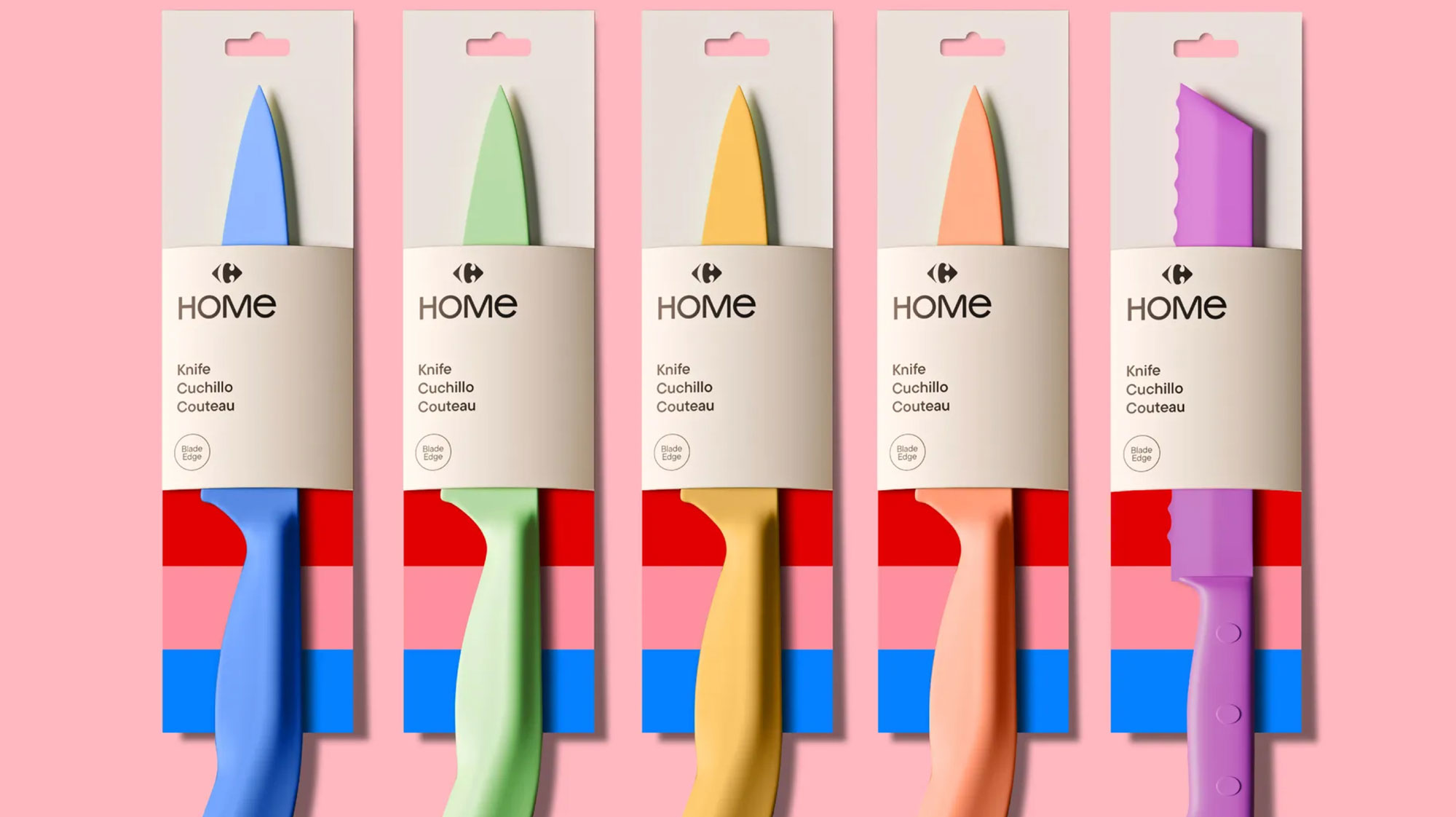
Carrefour Home
Our Carrefour Home case won bronze at the Grand Prix Stratégies du Design in Paris, the project's second bronze after the 2025 Pentawards. We led the rebranding of the French group's private label for the home, with a clear ambition behind it: to turn the home section into a real shopping destination, with emotional appeal, clear language and a connection to the way people live today.

D&AD Shift 2026
D&AD Shift has been part of our story since its first São Paulo edition in 2023, when we hosted the cohort at our studio. This year the partnership ran from beginning to end: Cristiano Gonçalo mentored one of the shifters throughout the program, and Ricardo Bezerra joined the mentors at the Portfolio Review, the night the 2026 cohort presented their portfolios to the industry.
[Article] Ricardo Bezerra
The world no longer has a single creative center of gravity. Why should global agencies? As cultural and economic influence shifts between geographies, so do the choices about points of view, talent, leadership and where ideas come from. In his new article for The Drum, Ricardo Bezerra (Global CCO at Tátil) reflects on what a creative model with new centers of gravity might look like.