Sumaúma and the seeds of the future. The challenge of regenerating our own nature
Regeneration.
This, like many other words in the world of sustainability, has been rendered meaningless by superficial, misguided and opportunistic uses, spread across an avalanche of texts, advertising pieces and articles on the ESG banner.
In the dictionary, regeneration means “to give new existence to; to improve; to correct; to revive”.
There is definitely no shortage of demands for regeneration in our exhausted and overexploited reality at all levels, from the physical to the spiritual, from the moral to the environmental. Starting with the regeneration of the word regeneration itself!
Unlike the meaning of restoring an environment or a picture, which presupposes a return to the original condition, regenerating has a greater, more realistic ambition, because instead of wanting to return to the past, the term includes a creative dimension.
It’s hard to imagine a restored Amazon rainforest. Returning to the way it once was. In fact, nature never comes back. It always goes. Evolving means reconfiguring, rearticulating, and that’s what the word regenerate aims to do.
To make room for new articulations, for new designs that, yes, recover lost values, but taking into account new variables.
If we look at the Amazon rainforest, 40,000 years ago there were no Sapiens there. Today, more than 30 million people cohabit seven million square kilometers with armadillos, jaguars, macaws and exuberant vegetation.

So restoration would mean investing in a forest uninhabited by humans. Which doesn’t seem like a goal that makes sense. We need to sow the seeds of reality with new ideas and configurations that have the power to sprout desirable futures.
THE SEEDS
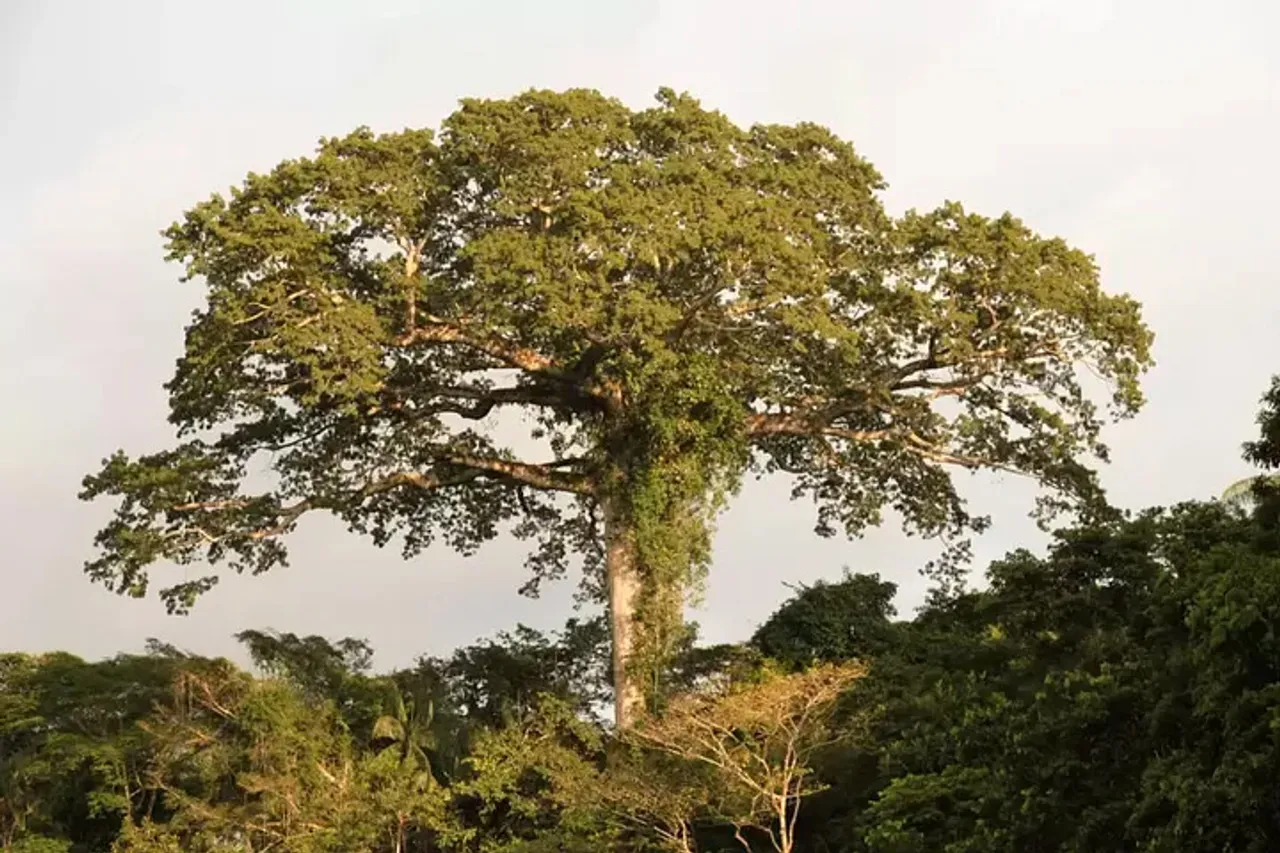
What kind of seeds do we need for this? The other day, I saw a kapok tree about 40 meters high in Rio’s Botanical Garden spreading its seeds. How is it possible that a speck five millimeters in diameter can contain a potential kapok tree?
After all, there is the complete idea of this tropical giant, all it needs is fertile soil, water, sunlight and a bit of luck so that it can follow the journey of the mother tree, which once also sprouted from a seed.
Seeds are latent futures in themselves. They concentrate creative energy like no other structure can.
Wouldn’t our priority, at this time of so much demand for regeneration, be to direct our creative efforts towards developing seeds of futures?
Just as a tree grows in the forest to generate collective value by producing shade for some, housing for many, fertilizing the soil with its leaves and fruit, capturing carbon dioxide from the atmosphere and returning oxygen, our seeds of the future should have goals with the same ambition.
They should carry the best ideas. Living ideas. The result of the sum of the intelligences of multiple actors, of the richness of diversity. Ideas with the power to change behavior and transform scenarios.
For them to have any chance of succeeding and promoting relevant transformations, we need to put living systems at the center of the conversation. This whole “consumer centric” or even “people centric” thing is over. We need “life centric” solutions!
Only in this way can we regenerate capitalism and its obsession with endless growth, and regenerate democracy, which is hostage to polarization and the manipulation of synthetic truths.
We need to regenerate our ambitions as a species, of which we seem to have fewer and fewer Sapiens. The list would be endless if we thought of everything that needs regeneration, course correction, “revival”, as the dictionary says.
In Paris last month, talking to a friend, he told me about one of these powerful regenerative ideas. Two entrepreneurs, Alexandre Drouard and Samuel Nahon, passionate about the quality of products of French origin (terrois) opened a restaurant on Rue du Nil. A rundown street with stores that had been closed for decades in the 2nd arrondisement.
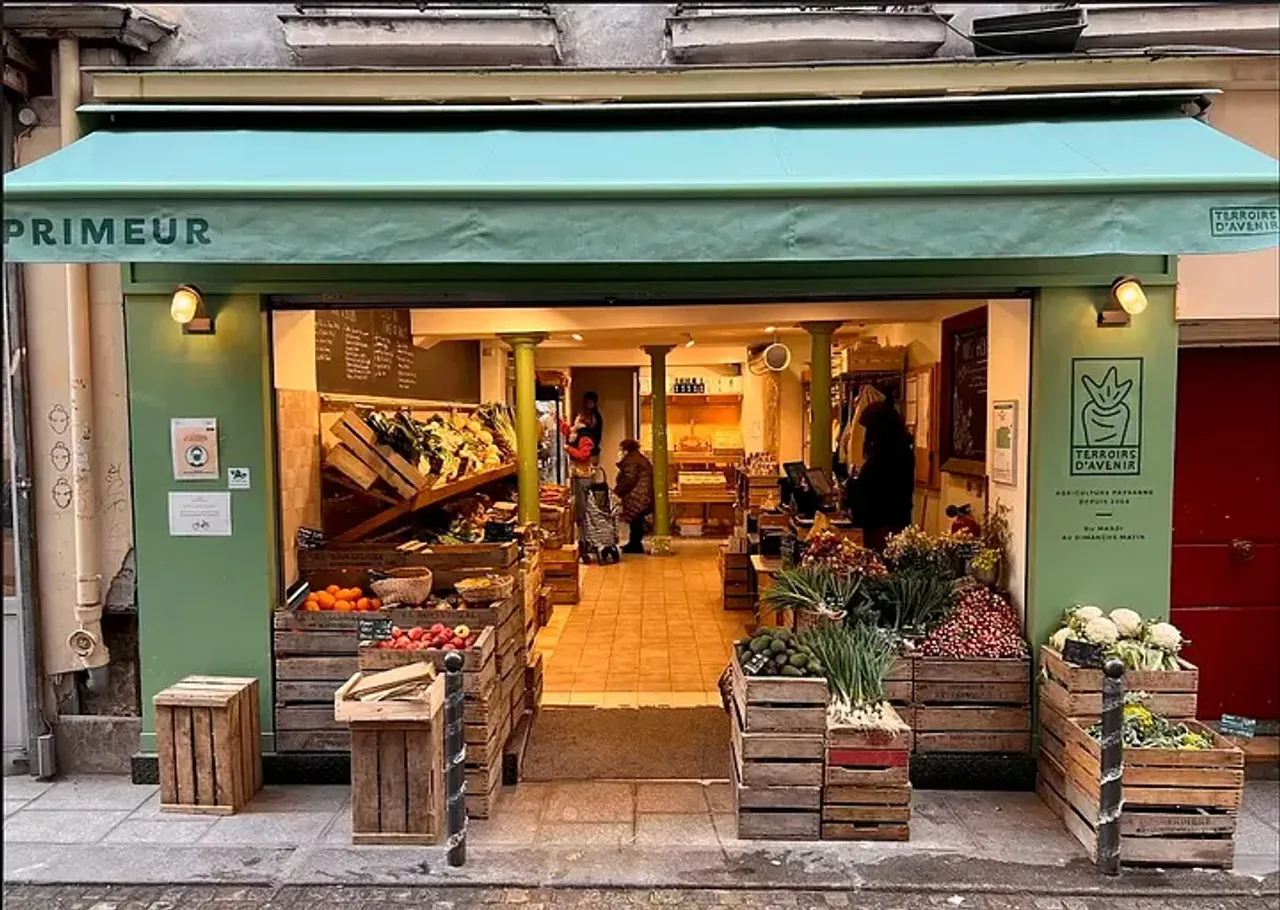
The bistro ended up winning a Michelin star and attracted a large clientele. From there, the entrepreneurs decided to spread creative seeds to regenerate the street and the area.
They opened a bakery, then a cheese shop, a butcher, a greengrocer and a fishmonger, all under the same brand: Terrois d’Avenir. All organic and of high quality.
Today, the street has been completely regenerated and is on the list of cool tips in Paris. Of course I went there to check it out and feast my eyes on the regenerating delicacies.
SPREAD AND PROTECT
But how do you spread seeds on a large scale? The kapok tree does it brilliantly. Its seeds are encased in a skin that allows them to fly away from the mother tree, or, even inside the fruit itself, to cross oceans. Kapok trees have already been found in Africa that are proven to have come from our forests.
How can we create strategies to spread the best seeds of the future, increasing the chance that they will sprout and transform reality?
As I wrote in the last article, I believe the best strategy is through desire. Ideas that engage people, companies and governments through the concrete vision of a better future. Even if we have to give up part of what has brought us this far.
Once these seeds have been spread, they need to be protected so that they can withstand attacks from pests, pessimists on duty and radical conservatives.
Like leaf-cutter ants, minds anchored in outdated ideas love to devour freshly sprouting ideas, as they are always a threat to the status quo. How can we protect the sprouts of regenerating ideas?
Nucleário, a project by the brothers Bruno and Pedro Rutman — and winner of the Biomimicry Global Design Challenge award — uses the inspiration that comes from bromeliads as a solution to protect the sprouts of Atlantic forest species, in their growth process, from the gluttony of predators.
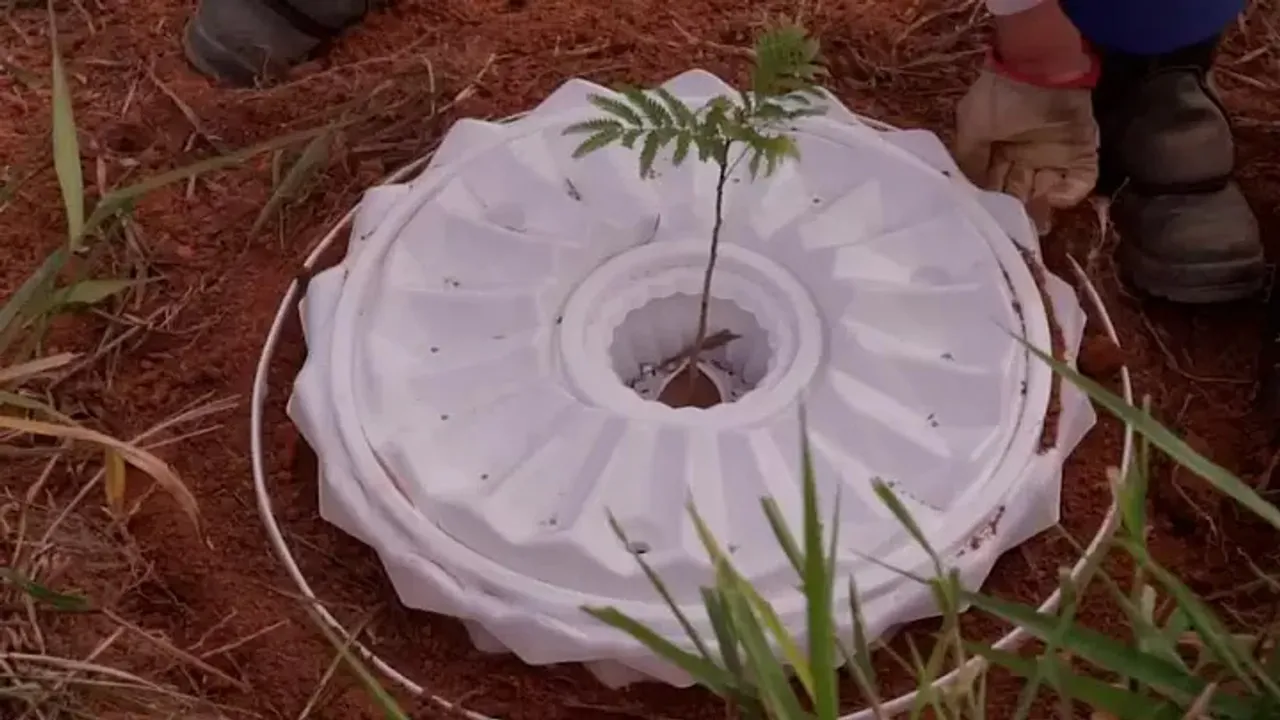
A large hollow disk with a biomimetic design guarantees physical protection and provision for accumulated rainwater. A simple idea, inspired by natural intelligence, to protect those who will become trees in the future.
We’ll have to do the same with ideas with regenerative power.
THE VALUE OF SOIL
In a way, many of the seeds of the future are already out there and are being cultivated in the innovation areas of companies, in research centers at universities and in thousands of startups around the world.
The problem is that quality seeds aren’t enough if the soil isn’t fertile. No matter how much potential they have, they simply won’t thrive. The soil in companies is acidic. Parched by the pragmatism of quarterly results.
Academia remains anchored in the past, losing students and relevance, and the most obstinate entrepreneurs are left with the task of spreading the seed of something different, proving that it is possible to make a profit by generating a positive impact, challenging the giants with a fresher point of view.
But it’s still not enough. There are fewer seeds of the future than the urgency of our times demands. We can still count on our fingers the companies and organizations that really seem to be acting as protagonists in the challenge of turning the tide. It’s always the same ones. We have to find ways to fertilize the soil so that more seeds bear fruit.
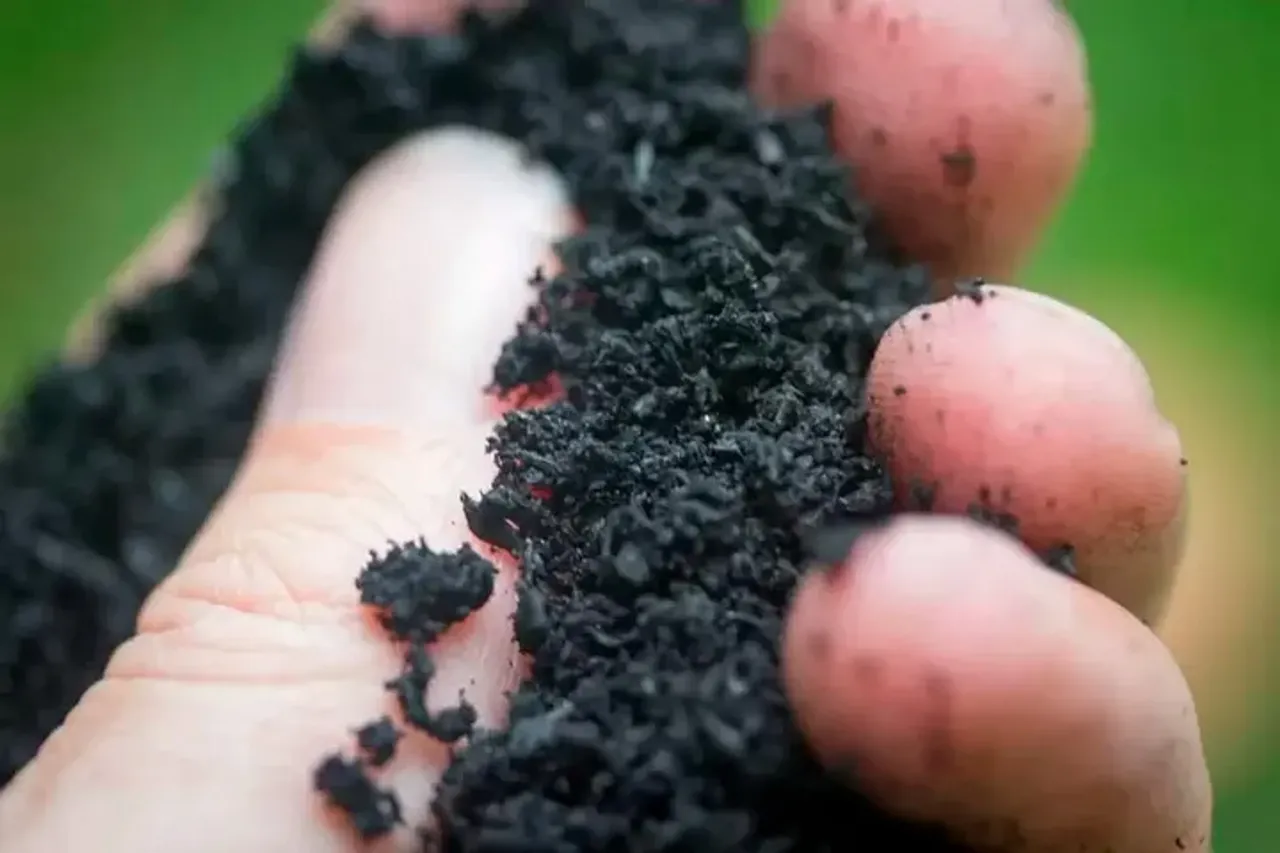
An article by Satish Kumar, one of the gurus at Schumacher College, says that the words humus, human and humility all have the same Latin origin. Perhaps the poor soil, without humus, is a direct consequence of the dehumanization of our way of life. Inhumane companies, inhumane governments, inhumane relationships.
When we dehumanize ourselves, we become agents of degeneration. We lose the dimension of humility that we should have in the face of the whole, of the strength and brilliance of nature. What’s worse, we become too arrogant to see the risks we are taking, becoming the greatest threat to ourselves.
Perhaps our real regenerative challenge is first to regenerate our own nature, recovering the ancestral connections with our home, with the immeasurable value of life, as the original populations have always had. A spiritual challenge.
In this way, who knows, we may be wiser and more humble and be able to bring to bear the power of what makes us truly human, creating the conditions for desirable futures to bear fruit. For, as our immortal guru Ailton Krenak says, “the future is ancestral”.
Heading 1
Heading 2
Heading 3
Heading 4
Heading 5
Heading 6
Lorem ipsum dolor sit amet, consectetur adipiscing elit, sed do eiusmod tempor incididunt ut labore et dolore magna aliqua. Ut enim ad minim veniam, quis nostrud exercitation ullamco laboris nisi ut aliquip ex ea commodo consequat. Duis aute irure dolor in reprehenderit in voluptate velit esse cillum dolore eu fugiat nulla pariatur.
Block quote
Ordered list
- Item 1
- Item 2
- Item 3
Unordered list
- Item A
- Item B
- Item C
Bold text
Emphasis
Superscript
Subscript
Text:
Fred Gelli
Comunicação&Mkt&Brand Tátil:
Luiza Magalhães, Marcelo Cândido e Natália Silveira
Consulting:
Flávia Nakamura